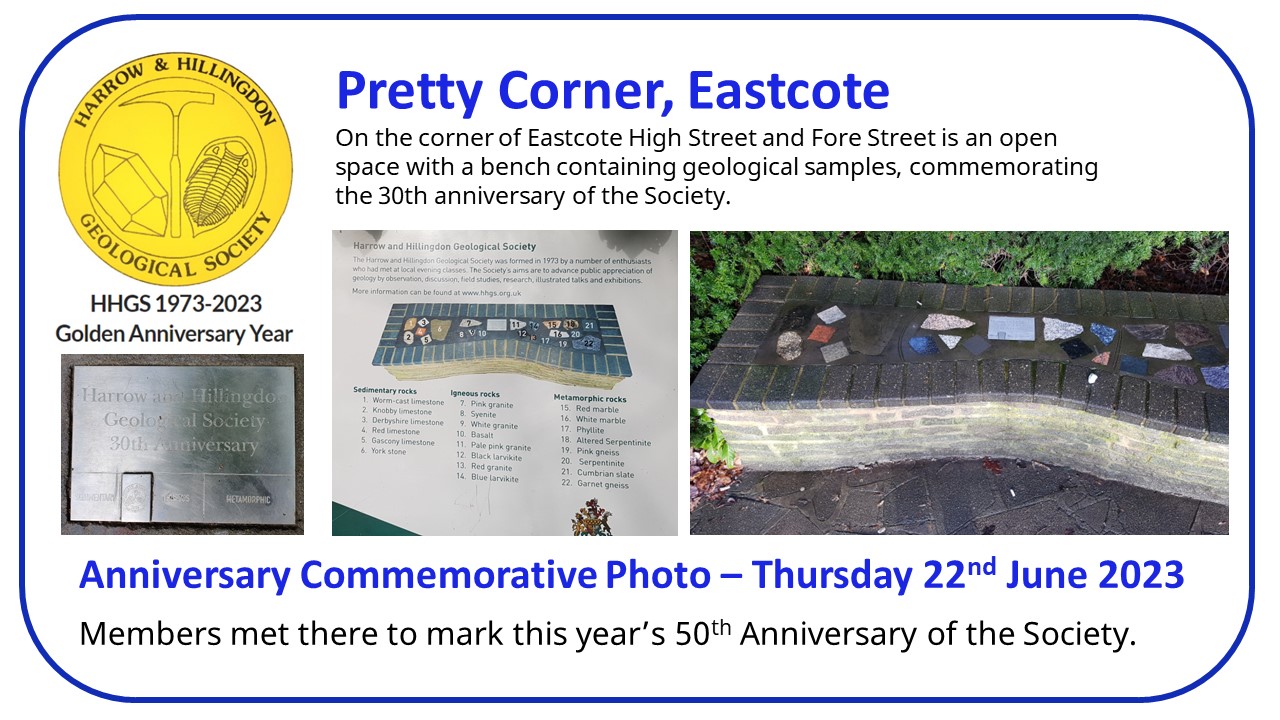
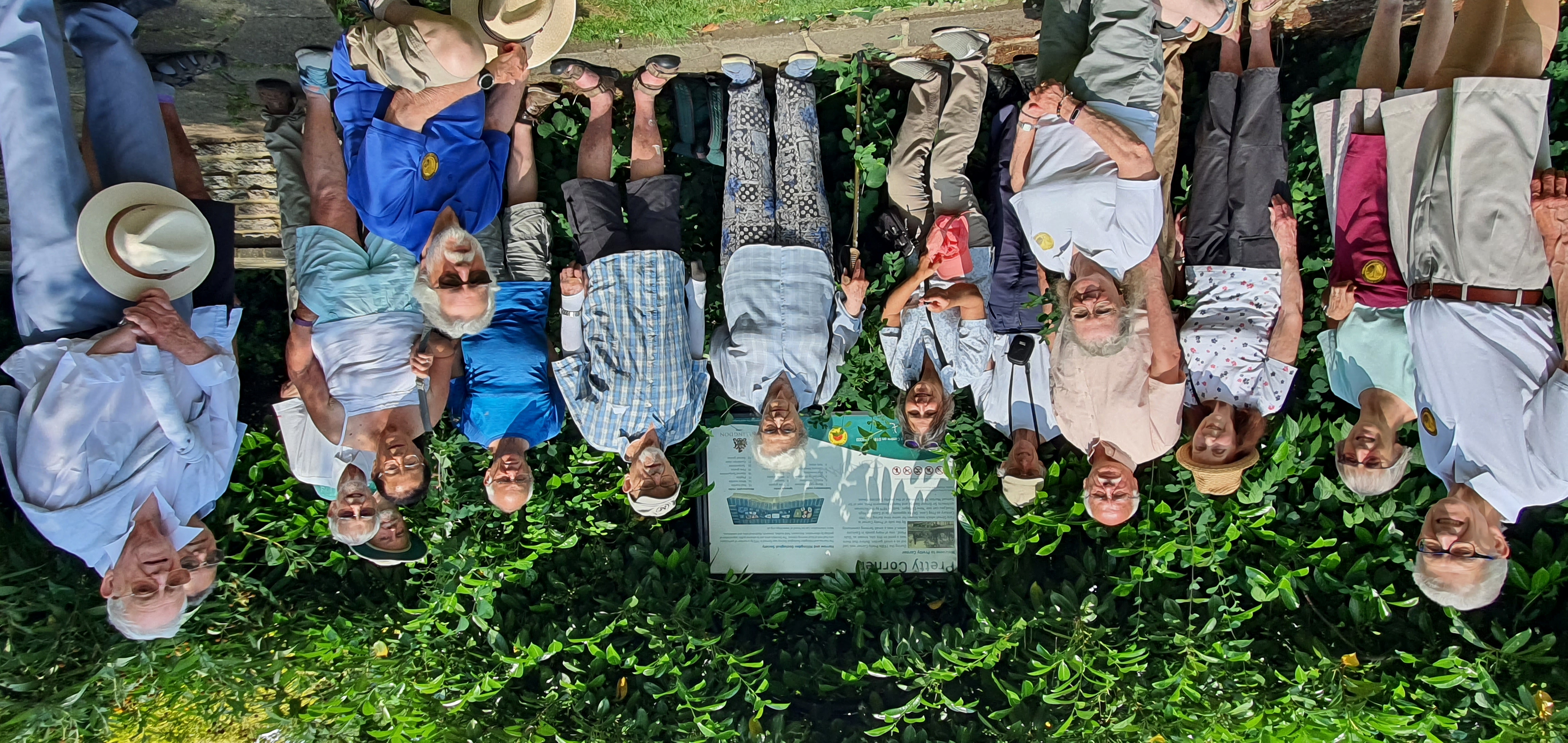
The Society was formed in 1973 by a number of enthusiasts who had met at local evening classes.
We are a Local Group of the Geologists' Association and a Member Group of the London Geodiversity Partnership.
Local Events
We are happy to participate in local shows where we can display our minerals, fossils and geology posters.
Find us on YouTube:
We are a Local Group of the Geologists' Association and a Member Group of the London Geodiversity Partnership.
Local Events
We are happy to participate in local shows where we can display our minerals, fossils and geology posters.
Find us on YouTube:
 Find us on Facebook
HHGS Committee Members
President - Dr David Brook, OBE
Chairman - Guy Fiegehen
Hon Secretary - Jean Sippy
Asst Secretary - Jackie Gill
Treasurer - Hilary Place
Field Trips - Allan Wheeler
Exhibitions - Joan Waters
Membership - John Howard
Field Assistant - Paul Szadorski
Community Engagement - Liz Chiu
President - Dr David Brook, OBE
Chairman - Guy Fiegehen
Hon Secretary - Jean Sippy
Asst Secretary - Jackie Gill
Treasurer - Hilary Place
Field Trips - Allan Wheeler
Exhibitions - Joan Waters
Membership - John Howard
Field Assistant - Paul Szadorski
Community Engagement - Liz Chiu
First President: Bob Symes
Bob Symes, OBE, known for his work as keeper of the Minerals Collection at the Natural History Museum and for the many books he wrote on Mineralogy.
Bob Symes, OBE, known for his work as keeper of the Minerals Collection at the Natural History Museum and for the many books he wrote on Mineralogy.
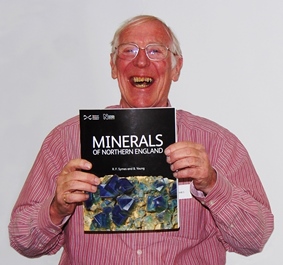
Bob was born in Harrow and grew up in Eastcote; he played a key role in setting up the Harrow and Ruislip Geological Society, which later changed its name to Harrow & Hillingdon.
Robert Frederick Symes 1939-2016
Robert Frederick Symes 1939-2016
Outreach
Although we are not currently able to visit schools, please contact us for more information. We are in discussion with both Harrow and Hillingdon boroughs to run sessions for their local schools.
Our exhibitions and Rock Show Online support the Year 3 Science curriculum as well as GCSE / A Level Geography.
Would you like to join us?
THE SOCIETY WELCOMES NEW MEMBERS FROM 16 YEARS UPWARDS, REGARDLESS OF RACE OR GENDER AND WHATEVER THEIR KNOWLEDGE OF THE SUBJECT.
Online you are welcome to join two Zoom meetings. Regular Zoom visitors will be asked to become members.
Although we are not currently able to visit schools, please contact us for more information. We are in discussion with both Harrow and Hillingdon boroughs to run sessions for their local schools.
Our exhibitions and Rock Show Online support the Year 3 Science curriculum as well as GCSE / A Level Geography.
Would you like to join us?
THE SOCIETY WELCOMES NEW MEMBERS FROM 16 YEARS UPWARDS, REGARDLESS OF RACE OR GENDER AND WHATEVER THEIR KNOWLEDGE OF THE SUBJECT.
Online you are welcome to join two Zoom meetings. Regular Zoom visitors will be asked to become members.
HHGS President: Dave Brook
Chartered Geologist, Fellow of the Geological Society, Fellow of the Institute of Quarrying
Chartered Geologist, Fellow of the Geological Society, Fellow of the Institute of Quarrying
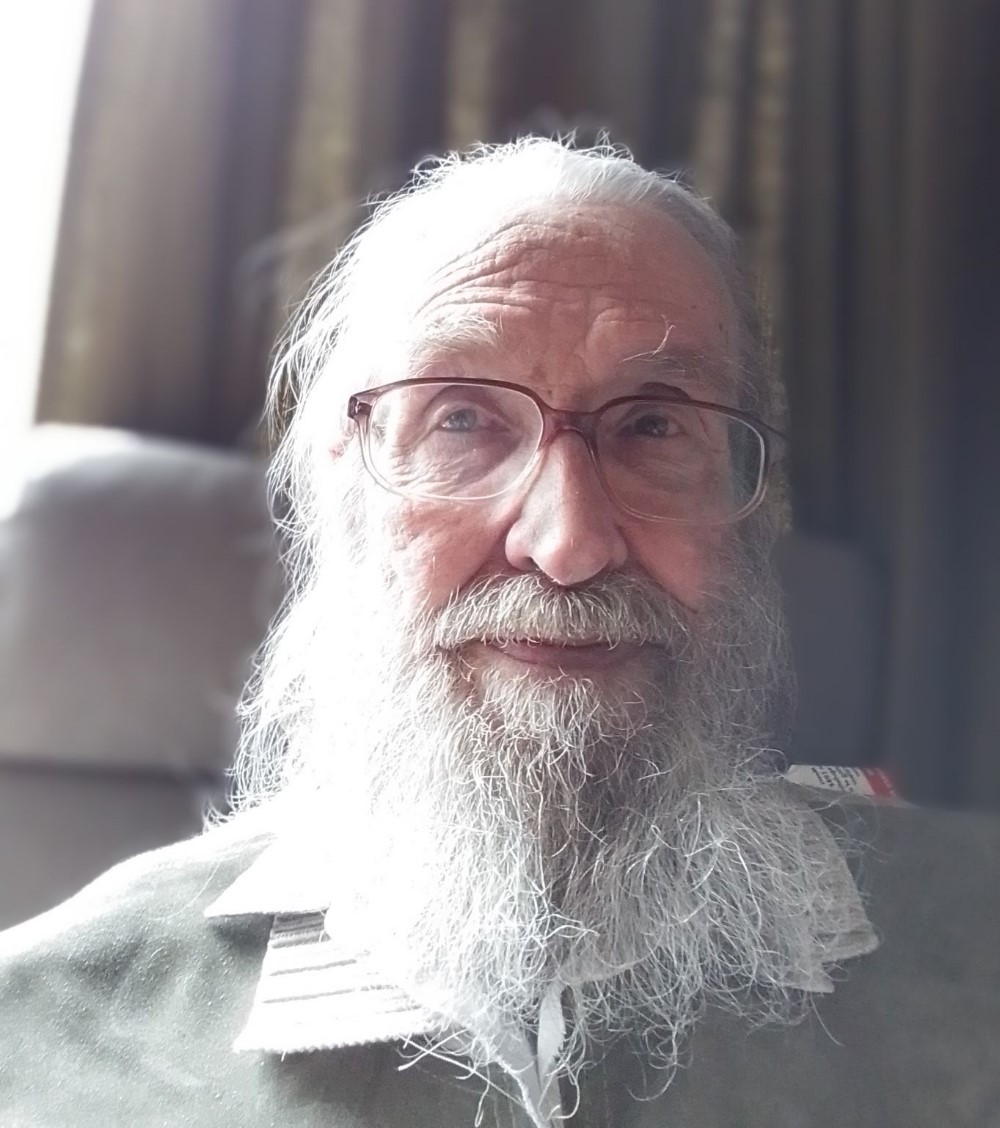 Dr David Brook OBE
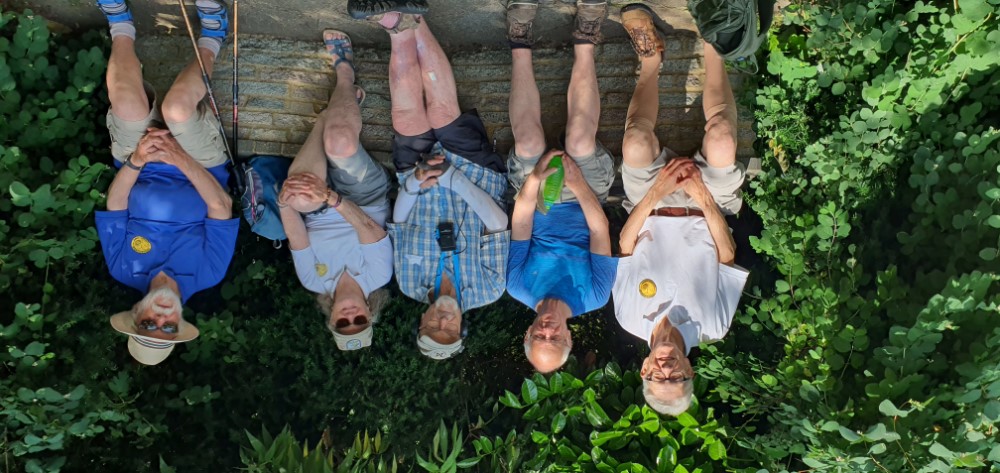
Members' activities